The Strategic Need for Cislunar Space Domain Awareness (SDA)
As cislunar space transitions into a domain of continuous human and automated activity, it has triggered emerging strategic and military competition, most notably between the United States and China. To address critical SDA gaps and maintain security, defense agencies are preemptively prioritizing the ability to monitor and understand activities beyond traditional Earth orbits.
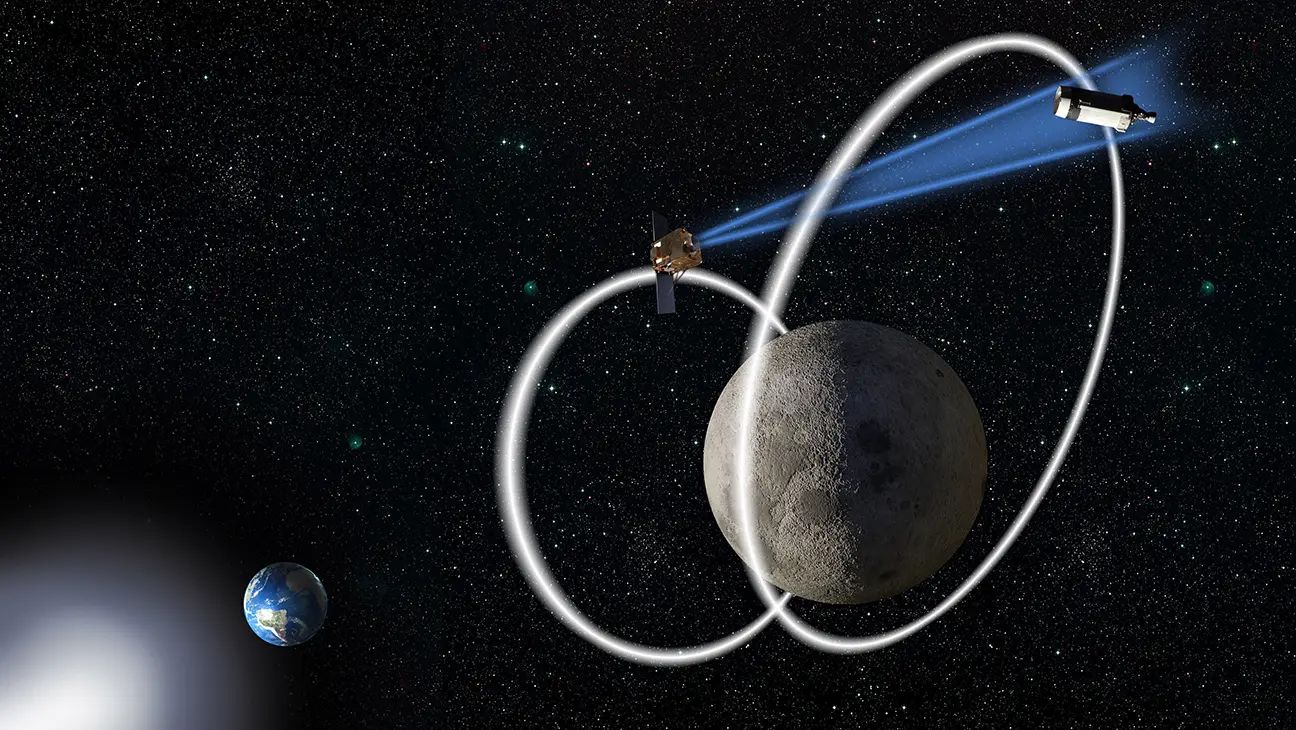
Because the complex relative motions of the Sun, Earth, and Moon inevitably create coverage gaps for both Electro-Optical (EO) and RF tracking systems, there is no single sensor location capable of observing all of cislunar space. Consequently, maintaining visibility requires a collaborative, multi-perspective network of sensors.
Dedicated Space-Based Assets: The Oracle Program
To actively observe and navigate this new frontier, the U.S. Air Force Research Laboratory (AFRL) is spearheading the Oracle spacecraft program (which connects to the Cislunar Highway Patrol System, or CHPS). The program relies on dedicated military spacecraft designed to operate beyond standard GEO/LEO orbits:
- Oracle-M (Mobility): Scheduled for operational deployment in 2027, this pathfinder mission is designed to practice active, dynamic maneuvering and orbital navigation within the complex gravitational architecture of cislunar space.
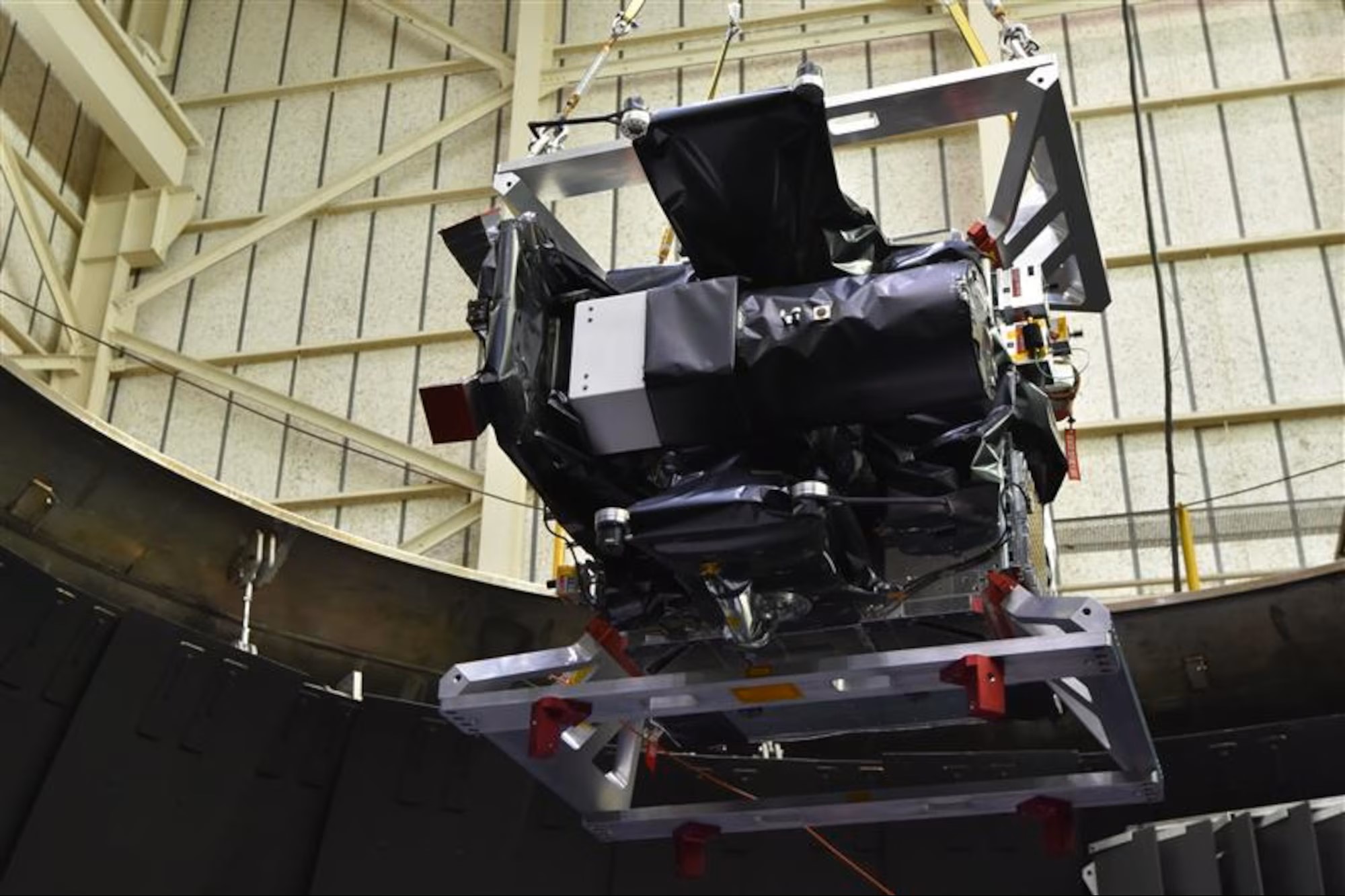
- Oracle-P (Prime): Building directly upon the architecture, guidance systems, and operational data validated by the Oracle-M mission, this asset is optimized specifically for space object detection and tracking.
Sensor Architecture: Fusing Space-Based and Moon-Based Observers
Advanced tracking models demonstrate that optimal cislunar awareness requires fusing multiple data sources. Fusing data from Moon-based sensors with space-based observers allows operators to maintain continuous track custody of maneuvering cislunar targets. For example, placing a space-based sensor in an Earth-Moon Lagrange Point 1 (L1) halo orbit and combining its data with Moon-based tracking networks significantly enhances trajectory estimation.
Used References & Source Data
- Ermakov, A. S. (2025). The Sino-American Battle for the Moon. Russia in Global Affairs, 23(1), 202–220. DOI: 10.31278/1810-6374-2025-23-1-202-220
- Fukushima, Y. (2021). U.S. and Chinese Activities in Cislunar Space and Future Issues. NIDS Security Reports.
- Holzinger, M. J., Chow, C. C., & Garretson, P. (2021). A Primer on Cislunar Space. Air Force Research Laboratory (AFRL 2021-1271).
- Koblick, D. C. & Choi, J. S. (2022). Cislunar Orbit Determination Benefits of Moon-Based Sensors. AMOS Conference.
- Lavigne, J. (2024). The Thucydides Trap on the Moon: How to Maintain Peace on the Eighth Continent? Arizona Journal of International and Comparative Law.